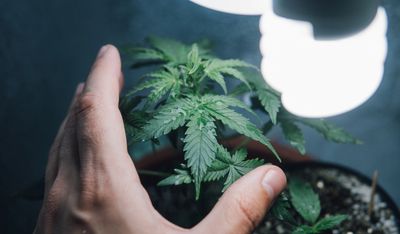
VPD for Plants: Understanding Vapor Pressure Deficit
What VPD Really Is (and Why You Should Care)
Vapor Pressure Deficit (VPD) describes how thirsty the air is for water in the context of indoor gardening. When the air is dry for a given temperature, plants lose water quickly; when it’s moist, leaves can stay open with less stress. Effective management of VPD is crucial for plant care, as it allows stomata to remain comfortably open—facilitating more CO₂ intake, promoting growth, and reducing disease risk.
Practical Targets Without Math
You don’t need to be an engineer to understand these plant care tips. During the vegetative stage, maintain slightly higher humidity with moderate temperatures so that plants grow quickly and stack nodes tightly. In late flower, reduce humidity to decrease the risk of mold and tighten buds. An easy upgrade is placing a reliable hygrometer at canopy height and ensuring gentle air movement through the leaves.
Air Mixing: The VPD Equalizer
Indoor gardening tents often develop “microclimates”—humid pockets inside plant bushes and dry edges near fans. To prevent these conditions, use one fan above and one below the canopy to circulate air without blasting the buds. This approach mixes the air column, stops dew points from forming inside the plants, and keeps leaf surfaces at comfortable transpiration rates.
Reading the Plant
Dry margins and tacoing in an otherwise cool room indicate that the air is too dry for that temperature. Conversely, soft, slightly droopy leaves with slow growth suggest the air is too moist or stagnant. Minor adjustments—like changing the fan angle, making a small bump with a dehumidifier, or adding a tray of water—can often resolve issues within a day.
Flower Safety: The Mold Triangle
Bud rot thrives in three conditions: high humidity, still air, and dense flowers. Disrupting any one of these factors significantly reduces risk. Modestly defoliate to open up airflow, maintain gentle cross-breezes, and avoid watering right before lights out.
Night vs Day
At lights off, temperatures drop while relative humidity spikes. If morning relative humidity is consistently high, program dehumidifiers to operate an hour after lights go out and another hour before they turn back on. This strategy addresses the riskiest window of time.
Data Without Obsession
Log temperature and relative humidity once in the morning and once at lights on, noting how the plants appear. Over the weeks, you will find that your “feel” correlates with the numbers recorded. Your aim isn't to create a flawless chart; instead, focus on maintaining steady, comfortable ranges that keep stomata open and plants healthy.
Helpful Gear
Utilize a dependable hygrometer at canopy height, a small dehumidifier or humidifier appropriate for your space, oscillating fans, and a smart plug to schedule your devices.