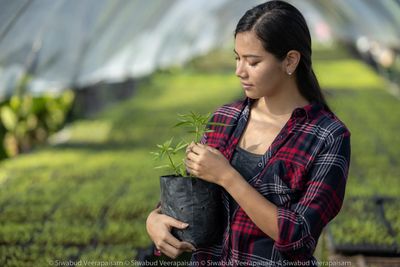
Transplanting Cannabis: Timing for Explosive Growth
Why Transplanting Is a Growth Button
Transplanting at the right moment is crucial for promoting cannabis growth. It provides roots with fresh oxygen, essential minerals, and adequate space. If done too early, the media remains too wet; too late, and roots can spiral, which ultimately restricts future nutrient uptake. Mastering transplant timing can turn days of veg into thicker stems and faster flower initiation.
**Spotting the Moment**
To determine the right time, squeeze the sides of the pot and gently slide the plant out. Ideal roots for healthy cannabis growth are white, branching, and hold the media together without circling tightly. If you encounter brown roots or a sour smell, pause to address watering and airflow issues before proceeding with transplanting.
**Preparing the New Home**
Pre-moisten the receiving medium to ensure it’s evenly damp but not soggy. If you’re using mycorrhizae, dust the hole with it before planting. Set the cannabis plant slightly deeper to support lanky stems and backfill gently, pressing lightly to remove air voids without compacting the soil.
**The Move, Step by Step**
1. Water the donor pot lightly 24 hours prior to transplanting for cohesion.
2. Confirm that the new container has drainage and a small layer of aeration material at the bottom if preferred.
3. Transfer the plant using two hands under the root ball—avoid tugging at the stem.
4. Water around the edge of the new pot first to encourage roots to spread outward.
5. Reduce light intensity for 24–36 hours to minimize transplant shock during this critical stage of indoor gardening.
**Aftercare and Observation**
Watch for new growth to resume within 48–72 hours. If leaves remain droopy for longer, it may indicate overwatering or that lights are too intense. Avoid applying heavy nutrients right away; give the roots time to explore their new environment before resuming normal feed schedules.
**Container Strategy**
For the best cannabis growth tips, make sensible jumps from solo cups to 1-gallon, then to 3-gallon, and finally to 5–7 gallon containers (indoor) or beds outdoors. Skipping too many sizes can slow down drybacks. Fabric pots are particularly effective here—they breathe well, prevent roots from circling, and maintain high oxygen levels for optimal growth.
**Repairing Accidents**
If a stem splits during handling, align the split, wrap it with grafting or electrical tape, and add a stake as a support. Cannabis plants heal quickly; the knuckle that forms often becomes stronger than before.
**Helpful Gear**
Equip yourself with fabric pots, mycorrhizal inoculant, hand trowels, and a watering wand that allows for gentle, targeted flows when caring for your indoor gardening setup.